Interests
Hidden header
Amateur Astronomy
One of my main interests is amateur astronomy, which I am pretty passionate about. There is so much out there in our night sky that can be viewed a lot easier than people think. The advent of cheap telescopes (both push-to and go-to, visual and astrophotography rigs) has opened up this hobby for many people.
I own two telescopes: an 8" Dobsonian telescope for visual observation and a Seestar S50 for astrophotography.
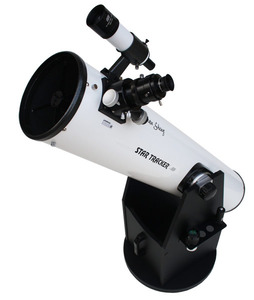
8" Dobsonian telescope
An 8" Dobsonian is ideal for visual observation of bright objects (mainly the moon, planets and even some galaxies/nebulae). The telescope is composed of a long tube which holds the main mirror at the bottom of the tube. This mirror collects light and reflects this to a smaller mirror situated near the top of the telescope. This secondary mirror reflects the light into an eyepiece and ultimately into the eye. The eyepiece rests in a focuser wich is used to focus the image, the eyepiece can be swapped to enhance magnification or change field of view. This whole assembly rests on a mount that allows the scope to swivel and be pointed up or down.
Using a Dobsonian telescope is fairly simple: make sure the mirrors are properly aligned (collimation), choose a target and point the telescope at it. These telescopes are generally fit with a "finderscope" which is a smaller telescope that helps you find your target. You align the finderscope by looking at an object using the eyepiece of the main telescope and then adjusting the knobs of the finderscope so both are looking at the same object. When looking for a target you then use the finderscope (which has a lower magnification but larger field of view) to get an approximate targeting of your Dobsonian. Then you look through the eyepiece and you should see your target.
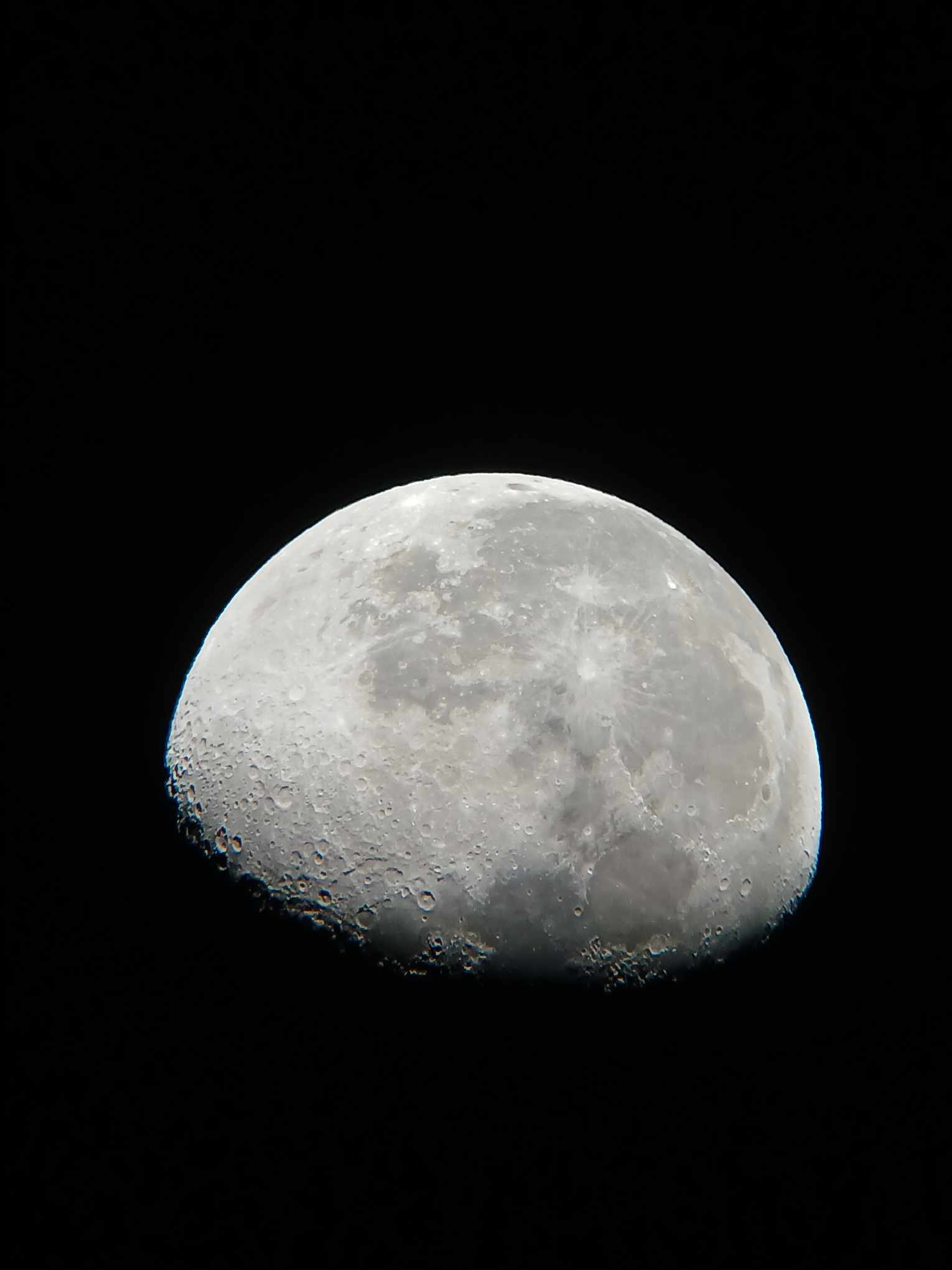
Dobsonians are best suited to look at the moon and planets. These objects are generally very bright in the sky (especially compared to galaxies and nebulae) and are excellent targets for a Dobsonian. The 8" mirror gathers a lot of light and with practice you can see a lot of detail on several of our neighbouring planets.
All the planets in our solar system are observable using an 8" Dobsonian. I have personally seen all planets except for Neptune: it is a very distant and faint object. It is possible that my 8" Dobsonian simply does not collect enough light for me to see the planet with my local light pollution. Looks like I need a bigger scope!
Dobsonians do have their downsides: they are often heavy and hard to move around. An 8" Dobsonian weighs about 20kg. The bigger you go the longer and heavier the scope becomes. Which can be an issue if you want to travel to a darker site or if you simply do not have the space to store such a telescope. They are also not very good at picking up faint objects. Galaxies like the Andromeda Galaxy are technically visible, but it is hard to see any real detail with my model. Going for a larger mirror gives you a lot of light to work with but also drastically increases their weight. A Dobsonian generally has to be pushed to the target by hand and does not have any innate tracking of objects. However, there are models and modifications available to turn your push-to Dobsonian into a go-to and even have them track a target.
Seestar S50
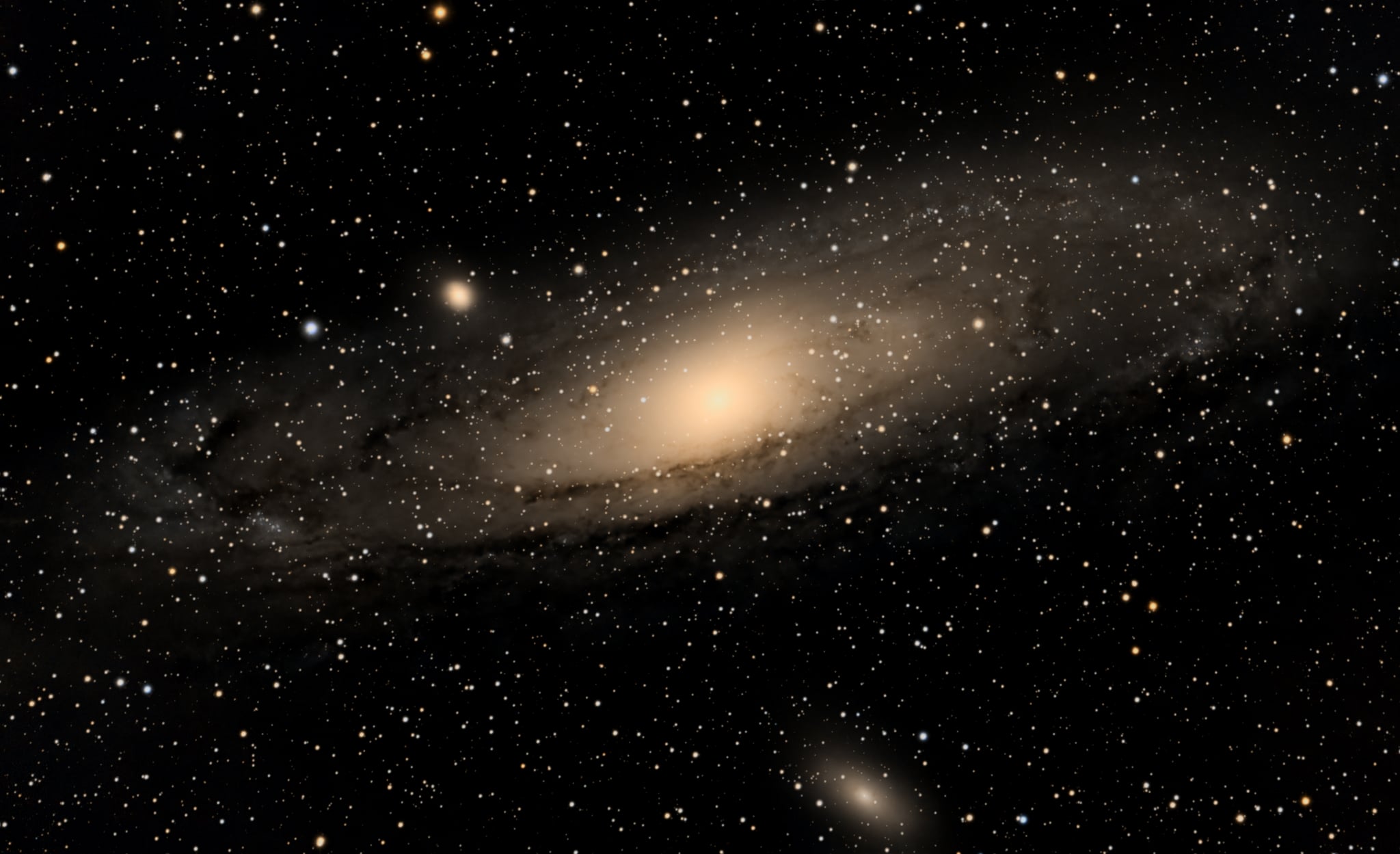
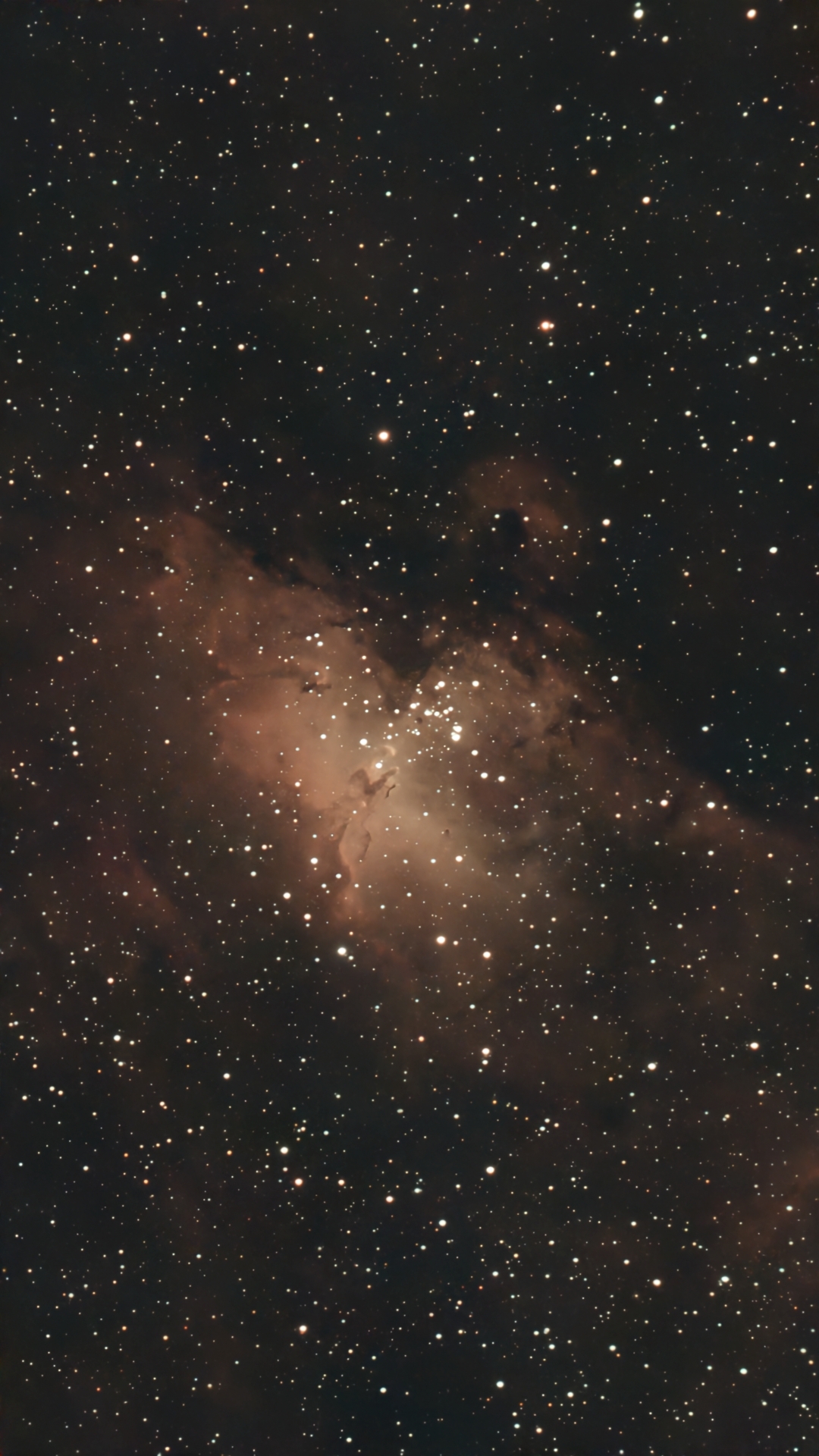
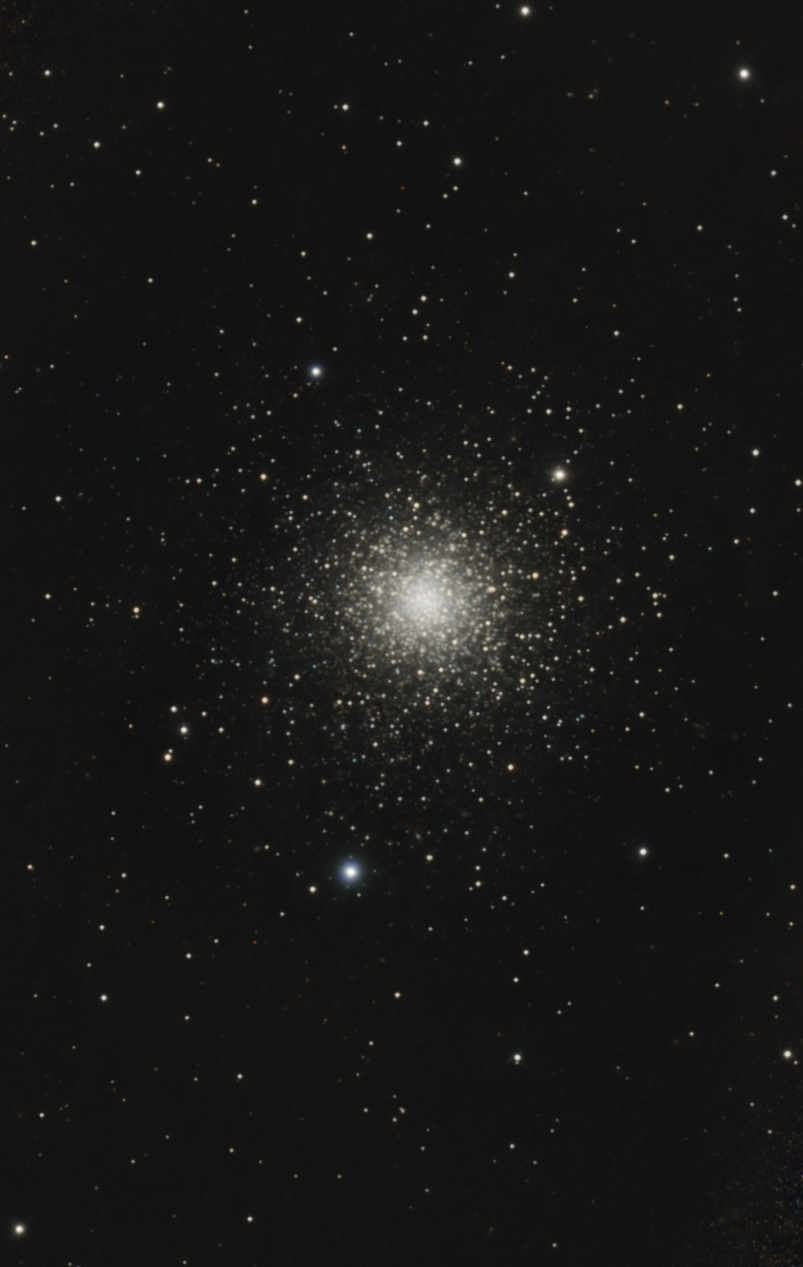
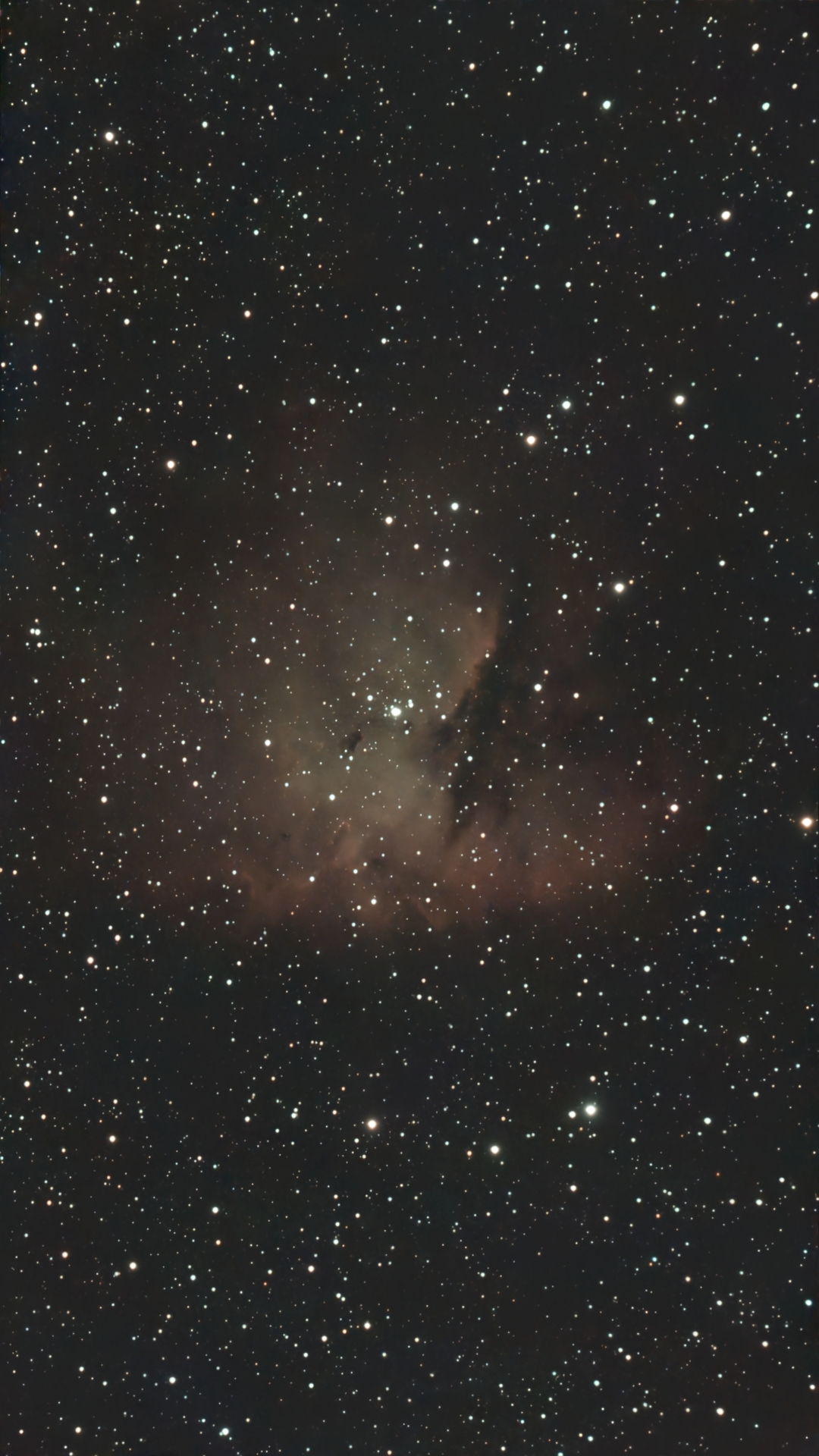
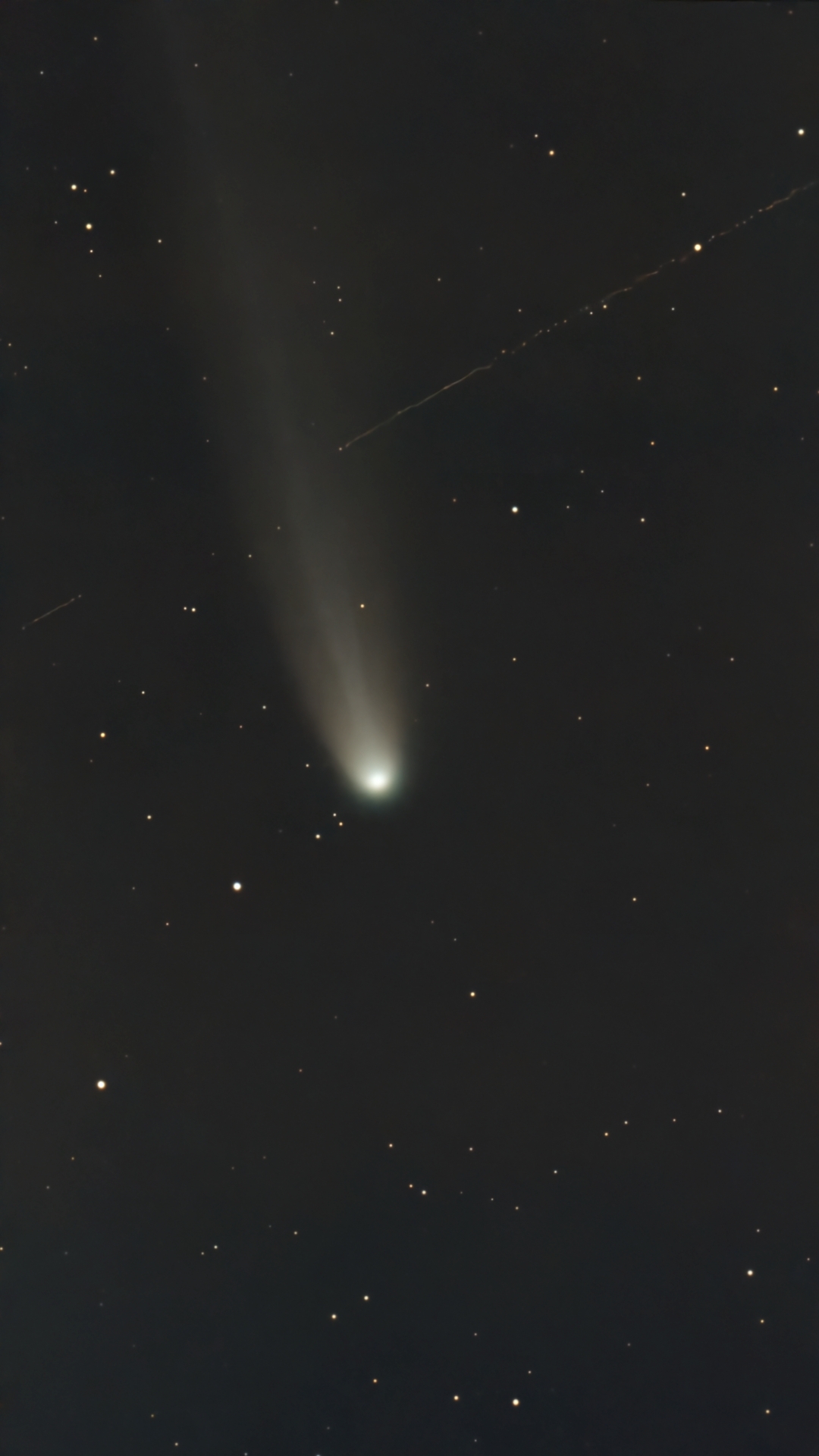
The Seestar S50 is a small telescope almost exclusively used to image Deep Space Objects (DSO's) such as galaxies and nebulae. The telescope has a built-in tracking system which is capable to accurately track objects in the sky. This tracking capability is important: the rotation of Earth makes it nearly impossible to take pictures with longer exposure times. Smart telescopes such as these take a multitude of long exposure pictures (10s to 60s), stack this data ontop of eachother and then use software to remove artifacts and noise from the pictures. These DSOs are generally very, very faint so longer exposure and stacking of data is necessary to get the results seen in the picture below.
Using a Seestar is about as easy as it gets. Install the software on a mobile device, connect it to the telescope, pick your target and automatically start imaging. The software has a nifty internal catalog which shows you the optimal targets (depending on your GPS position) for you to observe. Images are stacked live so you can often see your target appear and getting brighter after every successful picture. The software will automatically remove faulty data, keep the scope on target and even edit the finished picture using AI to denoise it. Data can also be processed by the user by changing a setting so the scope saves every frame. This way the user can import all pictures taken by the telescope to then edit themselves.
The downside to a smartscope like this is the fact that there is very little modification available for this machine. A true astrophotography rig does exactly the same but every part is interchangeable. This comes with a massive price difference however and for its price a small scope like a Seestar S50 is an ideal starter model to get into the hobby. While this scope excels at photographing DSO's, photographing planets is near impossible. The field of view of these scopes is quite large so they are bad at picking up objects that appear small in the night sky (such as planets). Planets are also very bright in comparison to DSO's so any pictures taken will just not look good at all.
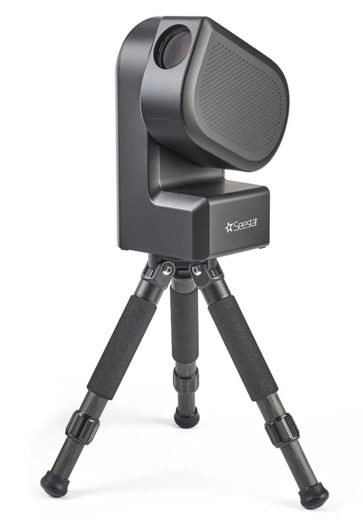
Image gallery
I've added a few pictures I've taken with the Seestar S50. This is to give you an idea of what can be accomplished with an entry-level piece of equipment and basic editing skills.